Mumbai Citizen Risk Clinic
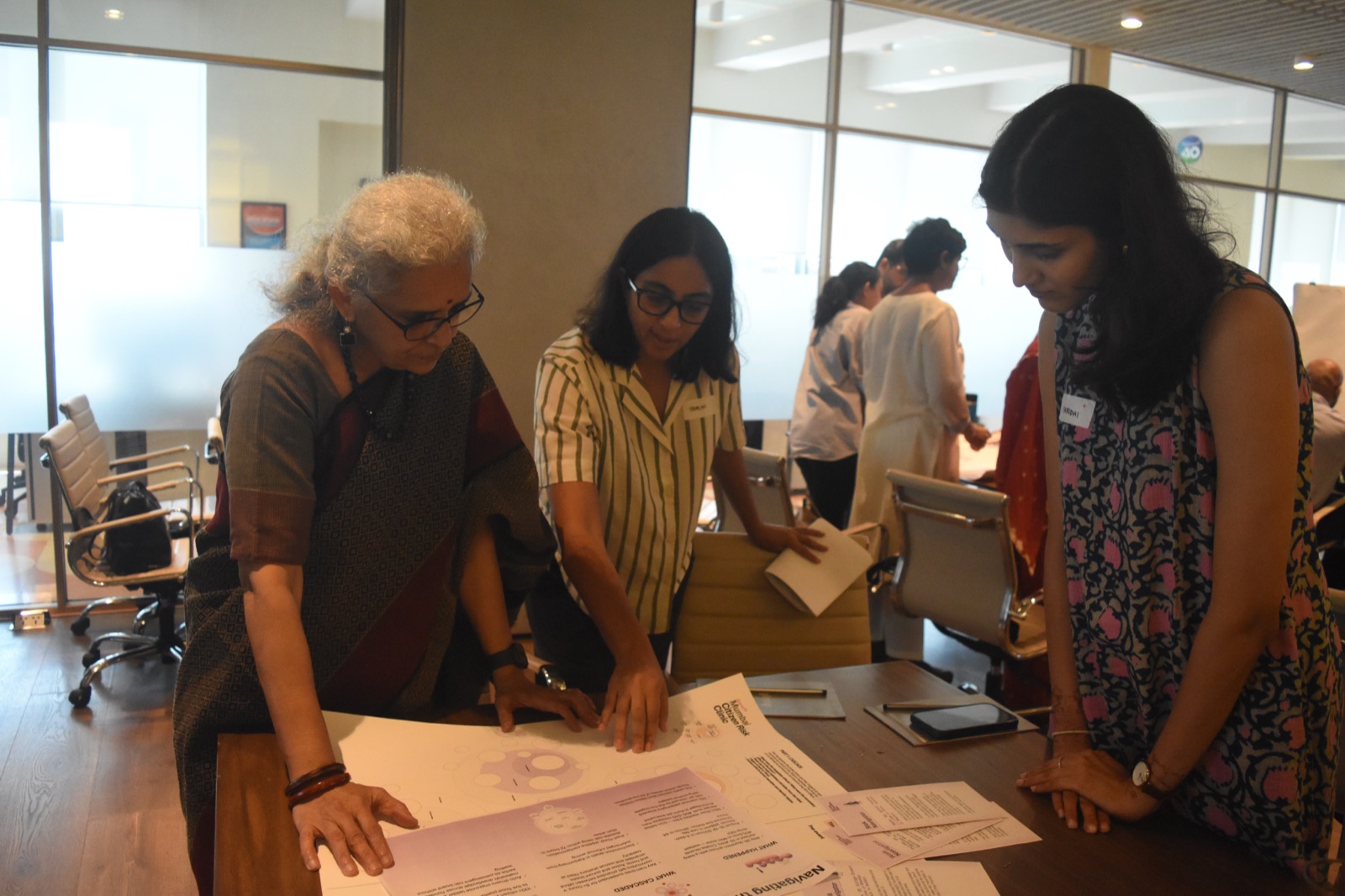
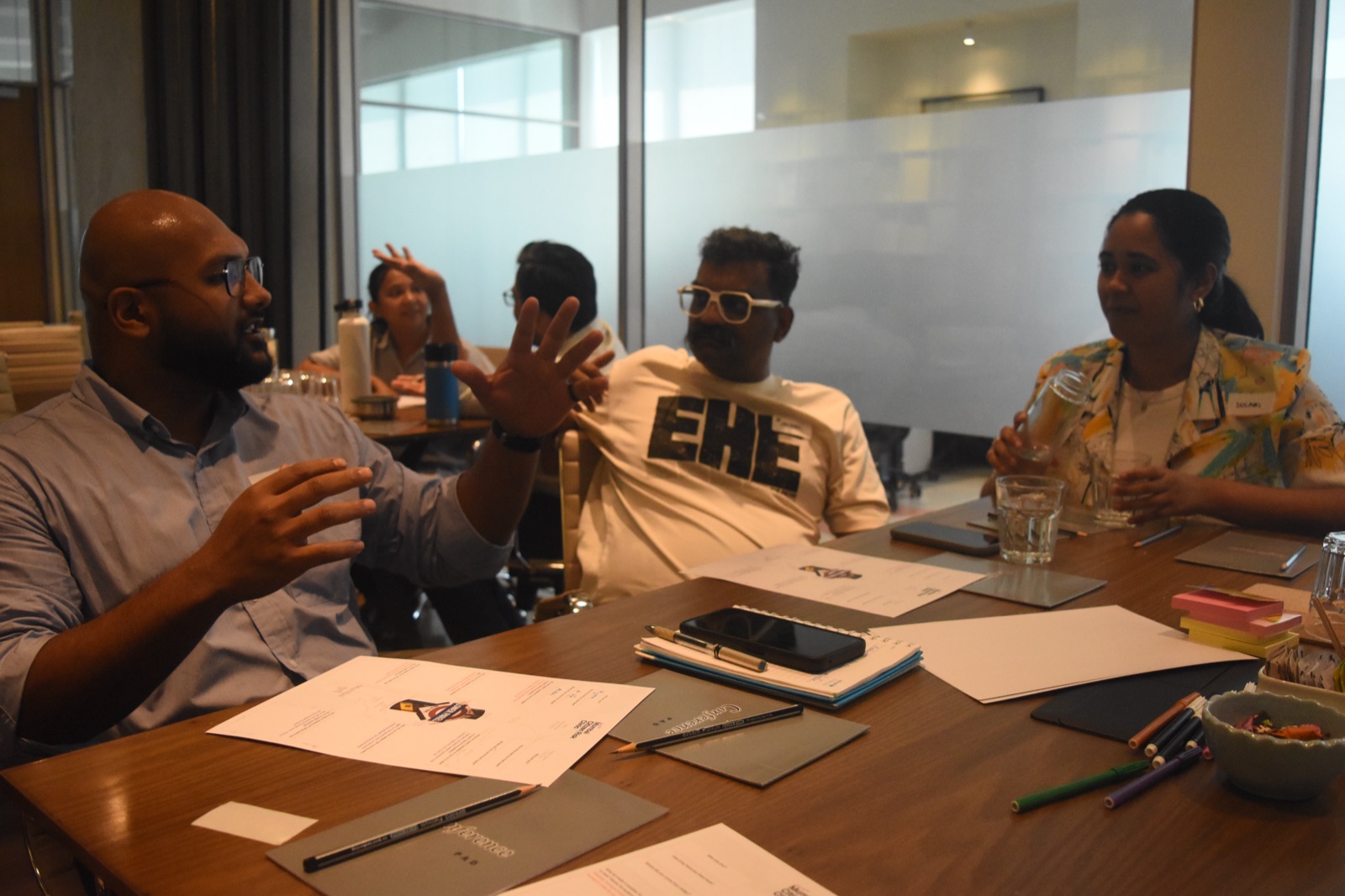
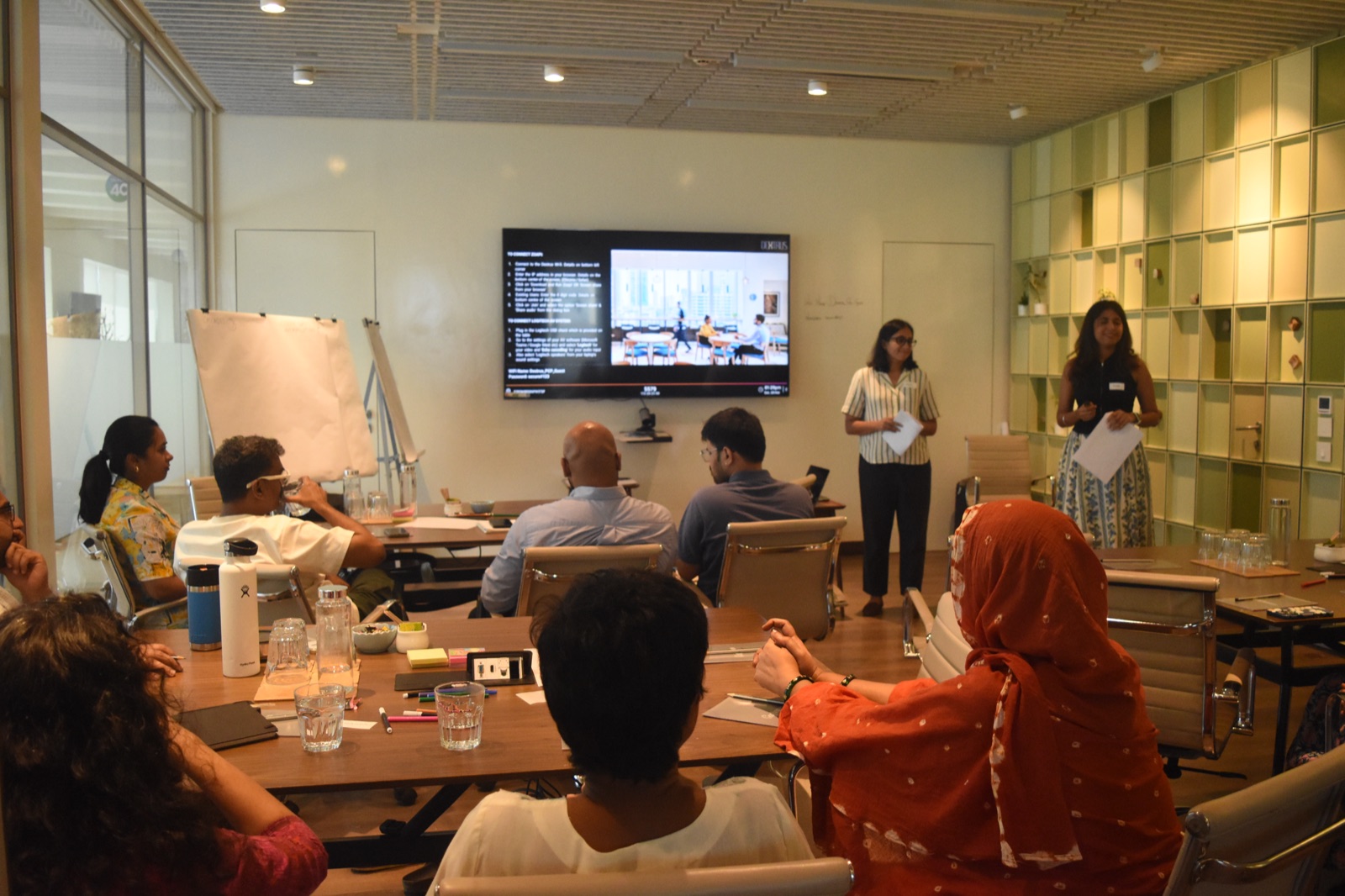
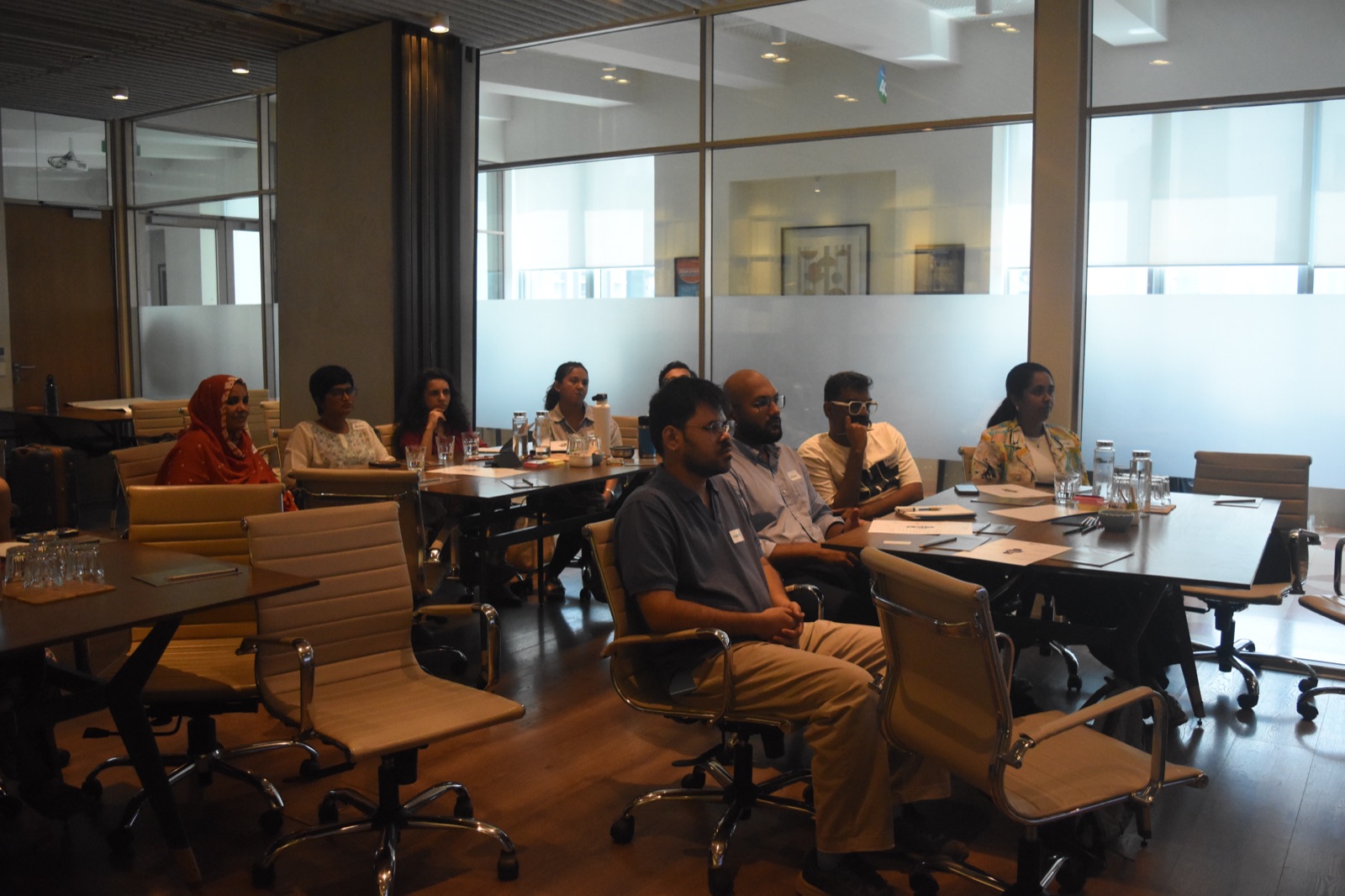
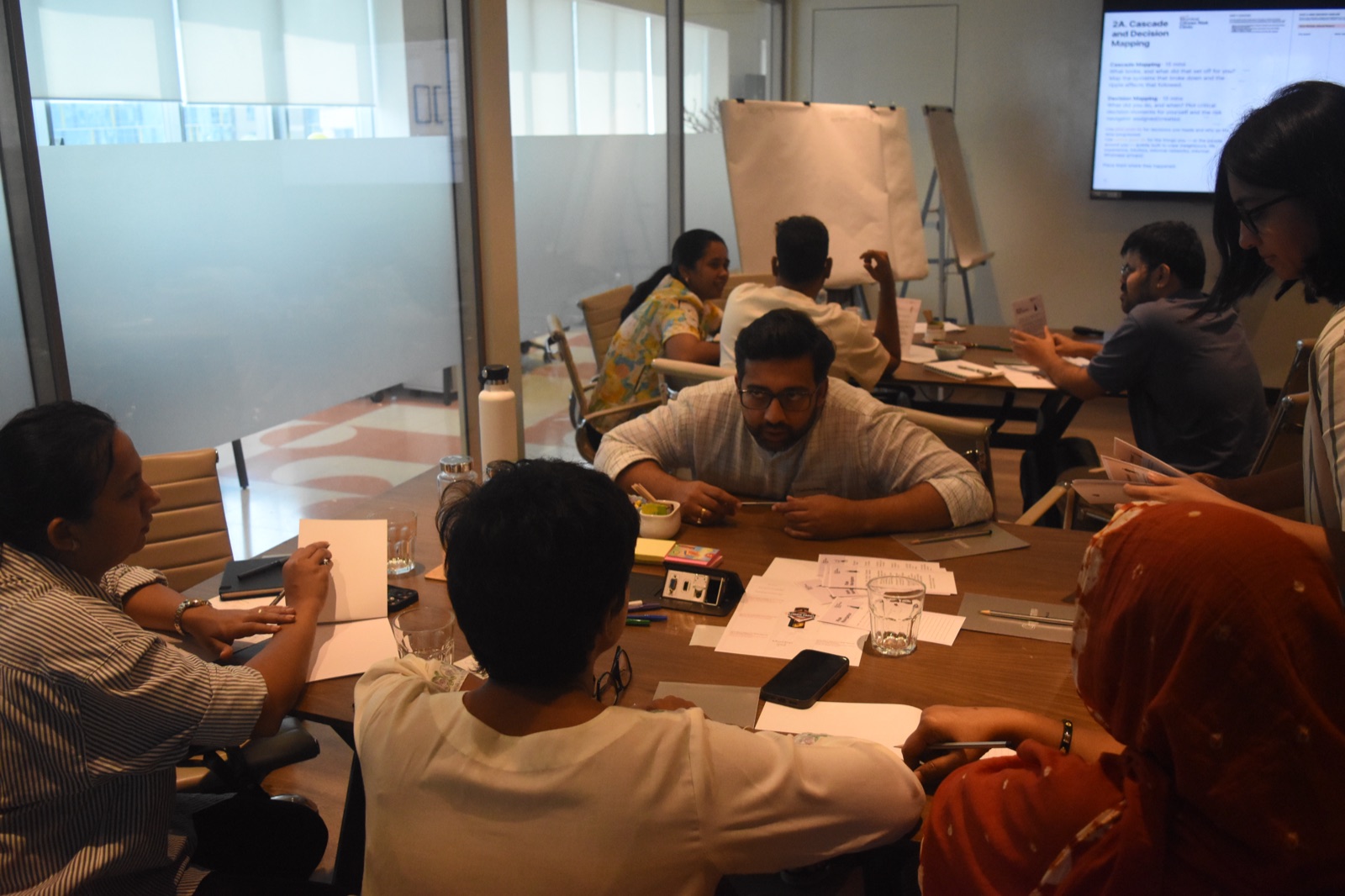
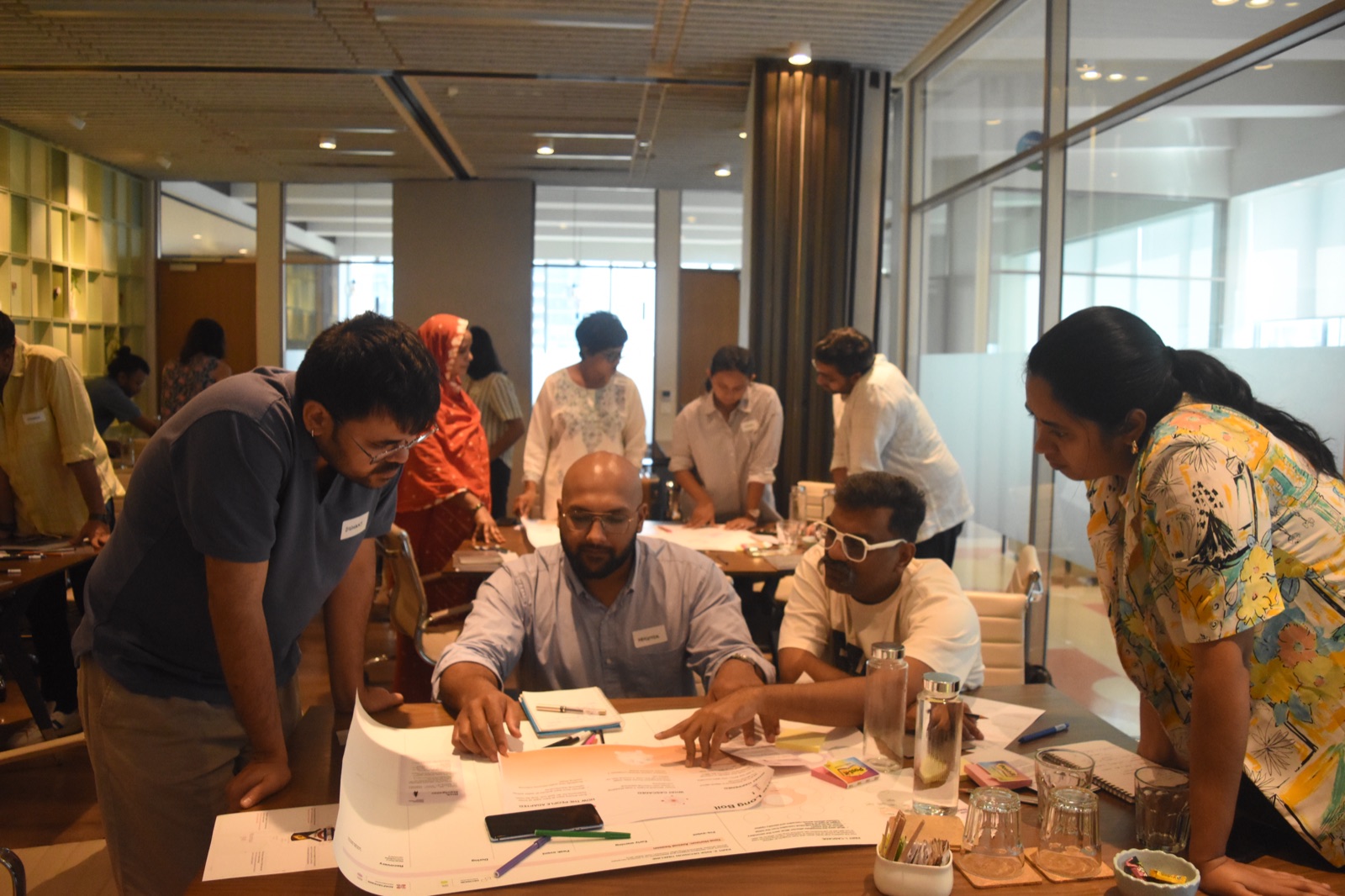
On 28 March 2026, we ran the first Aamchi Mumbai Citizen Risk Clinic, a 2.5-hour participatory workshop to map how Mumbaikars respond to systemic climate risks in their city.
Convened as part of Mumbai Climate Week 2026's Spoke Events, the room brought together organisations working with residents, gig workers, students, teachers, domestic workers, and practitioners working across climate, governance, social protection, and community organising.
The clinic was held in the aftermath of an extraordinary 2025–26 climate year for Mumbai — a March heat wave that pushed felt temperatures past 47°C, followed by the earliest monsoon in 75 years and 500mm of rainfall in four days in August. We chose this moment deliberately: the city's lived memory of cascading climate risk was active, recent, and unsettled.
Hunger does not stay home.
The phone says thirty-nine. His skin says forty-seven.
Four point two is a cliff.
The loan does not feel the heat.
He always turns back before he is ready.
The tiredness stays — a shadow riding pillion.
Andheri East
Mumbai
Background
To test whether citizen risk intelligenceCitizen Risk IntelligenceThe live, embodied, and continuously updated knowledge that individuals hold about how their city fails under stress. can be surfaced, organised, and made legible as a civic asset. Rather than treating citizen input as testimony, the clinic treated citizen knowledge as the continuous capacity of populations to detect weak signals, adapt behaviour under stress, transmit survival knowledge socially, and update their understanding of how systems fail in real time.
We posit that citizens are already functioning as a distributed risk sensing infrastructure for the city of Mumbai.
We chose cyclical flooding and heatwaves as the macro frame of Mumbai's systemic riskSystemic RiskRisks that arise from the structure and dynamics of complex systems, often crossing boundaries and scales. field, on the basis that these are the conditions under which the city's systemic failures become most legible to all its local residents across class, caste, gender, infrastructure, and labour.
Outcomes & Synthesis
Portfolio Instruments
The instruments below are drawn from the RiskSense portfolio and were deployed in Mumbai for the first time. The portfolio is live, evolving, and shaped by each new context we work in.
Template
Risk Clinic
A structured participatory workshop for surfacing how communities navigate systemic risk in real time.
Template
Cascade Mapping
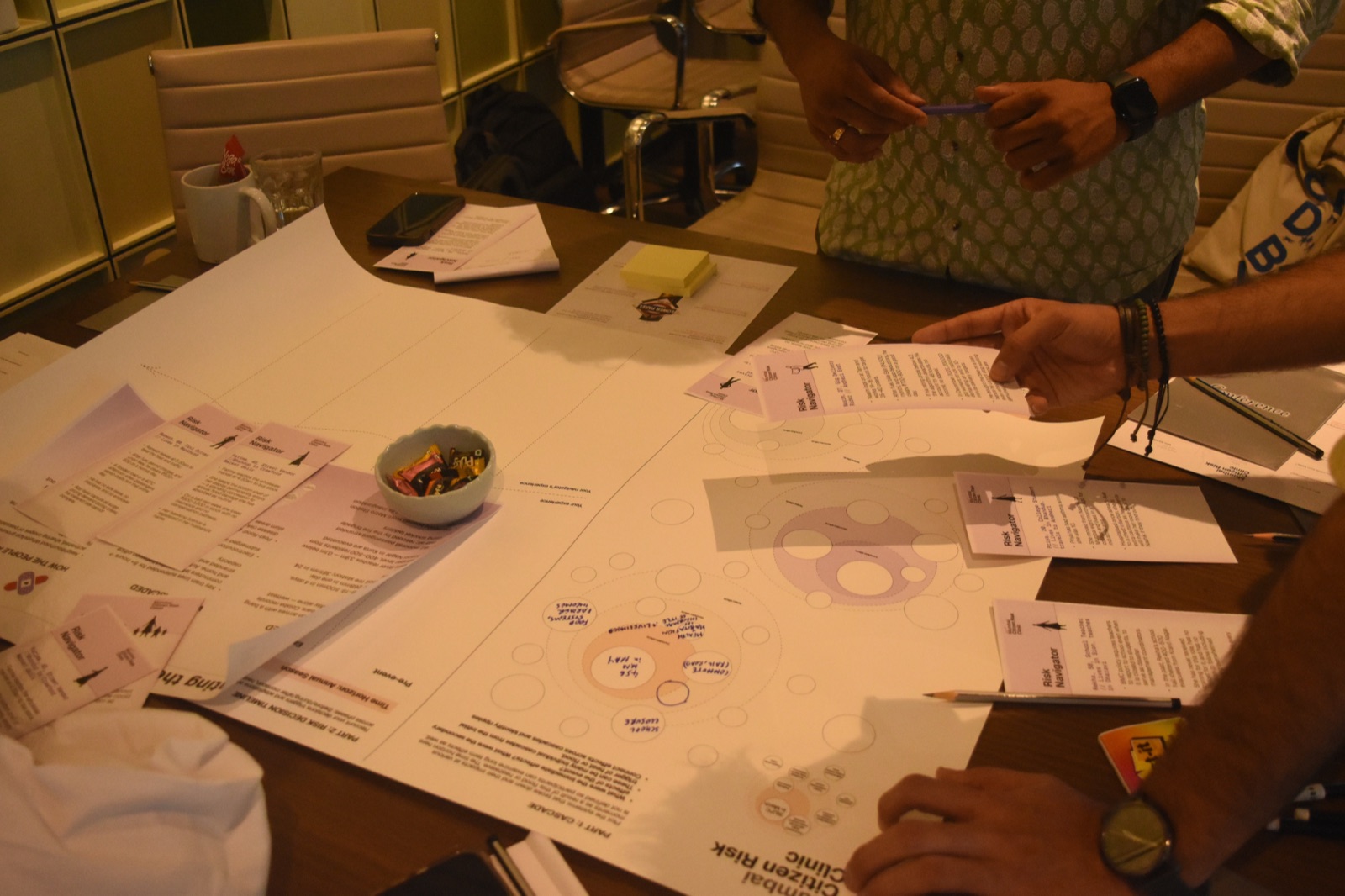
A facilitated tool for tracing how risks interact and amplify across a community's social, economic, and infrastructural systems.
Template
Decision Timeline
A visual mapping instrument that reconstructs how individuals and households make decisions under compounding stress — before, during, and after a risk event.
Emerging Terminology
Citizen Risk Intelligence
The live, embodied, and continuously updated knowledge that individuals hold about how their city fails under stress.
Civic Signal
An inference drawn from citizen risk intelligence that carries implications for policy, infrastructure, or investment.
Risk Cascade
A chain of compounding consequences triggered by a single stress event, where each outcome becomes the condition for the next, often looping back on itself.
Risk Navigator
A composite persona tracing a distinct systemic risk exposure pathway, to surface the intelligence and signals embedded in how that life is lived.
Credits
The Aamchi Mumbai Citizen Risk Clinic was convened by Dark Matter Labs as part of Mumbai Climate Week 2026.
Post-Clinic Analysis & Synthesis: Siddhi Ashar, Prateek Shankar
Visual & Experience Design: Anahat Kaur, Gurden Batra
With thanks to Sofia Valentini and Eunsoo Lee for their advice and direction throughout the clinic design and synthesis process.
The Risk Field: Revised Hypothesis
Risk in Mumbai is first experienced as interrupted access to basic services like water, food, rest, and dignity. Climate events are one driver of that interruption, but not the only one, and rarely the one residents name first.
Lived experience is a primary validation methodology. Residents are continuously reading, managing, and absorbing risk, making the field legible from the inside in ways that formal monitoring systems cannot replicate.
Adaptive capacity depends on recovery. The ability to absorb the next stress event depends on whether rest was possible after the last one. Psychological bandwidth depletes and needs to replenish, and is not yet legible as a variable in resilience literature or policy design.
Explore the Risk Navigators
To engage with this intelligence, we used risk navigatorsRisk NavigatorA composite persona tracing a distinct systemic risk exposure pathway, to surface the intelligence and signals embedded in how that life is lived. as our method. Each navigator is a composite figure, built from the lived experience of clinic participants and those that they work with day in and day out, standing in for a particular type of person in Mumbai — a specific livelihood, location, and way of reading, managing, and absorbing risk. Rather than talking about risk in the abstract, a navigator pins it to a recognisable kind of life (gig delivery rider, college student, teacher, etc.), tracing a distinct exposure pathway through Mumbai's risk field, surfacing the civic signalsCivic SignalAn inference drawn from citizen risk intelligence that carries implications for policy, infrastructure, or investment. and intelligence embedded in how that life is lived.
A Note on Method: This section features our synthesis and analysis of inputs gathered from participants at the Aamchi Mumbai Citizen Risk Clinic, using the instruments described above. The patterns, signals, and inferences drawn from them are our own.
Nasim's day starts before the city's awake: logged on by 7 AM, chasing 35 to 40 orders across 14 to 16 hours, on a bike he's still paying off. His rating hovers precariously; drop below a certain number and the app benches him for 48 hours, no pay, no appeal. So even on days the air feels like 47°C and the tin roofs overhead feel hotter still, even when conditions are genuinely dangerous, he has no choice but to ride.
What does Nasim's exposure reveal about how Mumbai's infrastructure holds up under heat?
Mapped by Abhishek Fullton (UNICEF), Dishant Parmar (YUVA), Dulari Parmar (YUVA), and Myron Mendes (INECC)
The experience of navigating risk at this intensity produces intelligence with profound implications for policy and investment.